


There is nothing more exciting than welcoming a new puppy home. For first-time puppy owners, knowing how to prepare for day one makes a big difference in helping your new family member adjust. From puppy-proofing your house to crate training, potty training, and vaccinations, here are the best tips for bringing home a new puppy to set you up for success.
Tips for Bringing Home a New Puppy

The New Puppy Kit
Puppy-Proof Your Place
- Cover electric outlets and exposed wires
- Put away all bags and shoes, and get rid of poisonous plants
- Keep the garbage shut and the toilet closed
- Clean up small items that could be swallowed
- Put cleaning products and pesticide baits
- If you have a yard, consider a fence or enclosure
- Make sure you have chew toys that will keep your puppy busy and happy, and your shoes safe!
Welcome Them Home
They might not end up sleeping in it their first night, but you’ll want to give your puppy a bed. The snugger and cozier it is, the better for helping them sleep on their own. A crate with dividers is great for house training. It will help to create a perfectly sized space, just right for hanging out, but not so big that they feel comfortable using the crate as a bathroom.
If you decide not to do a crate or crate training, stock up on pee pads and don’t forget the pet-specific odor-removing cleaners to support potty training. Once your puppy learns to “go” outside, have poop bags ready. If you already have a pet at home, allow time for adjustment as you introduce them to each other.
Our Picks for This Step:

Visit the Vet
Try one of our in-store VIP Vet clinics. After they shake paws and get to know each other a bit, the vet will make sure your puppy is microchipped and up to date on all of their routine vaccinations, as well as generally healthy overall. Before you leave, be sure to ask when your little one will be ready for their spaying or neutering procedure.
Baby’s First Walk
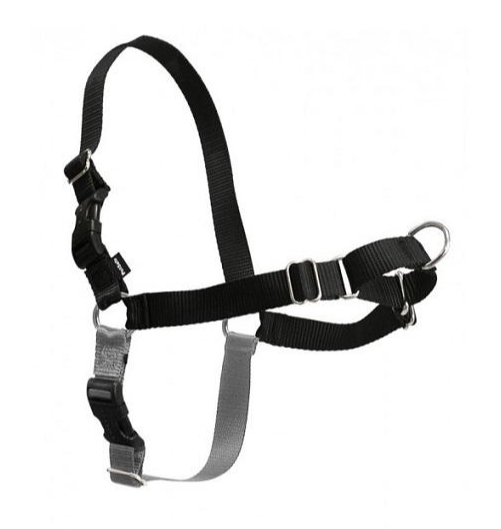
You’ll need a leash no longer than 6 feet and preferably not a retractable one, as little guys aren’t ready for that much freedom. They may not know their name yet, but have a collar and ID tag waiting. We also recommend a harness. Puppies are leash-pullers, and a harness discourages pulling while also protecting dogs from choking themselves.
Our Picks for This Step:
Transition Their Food
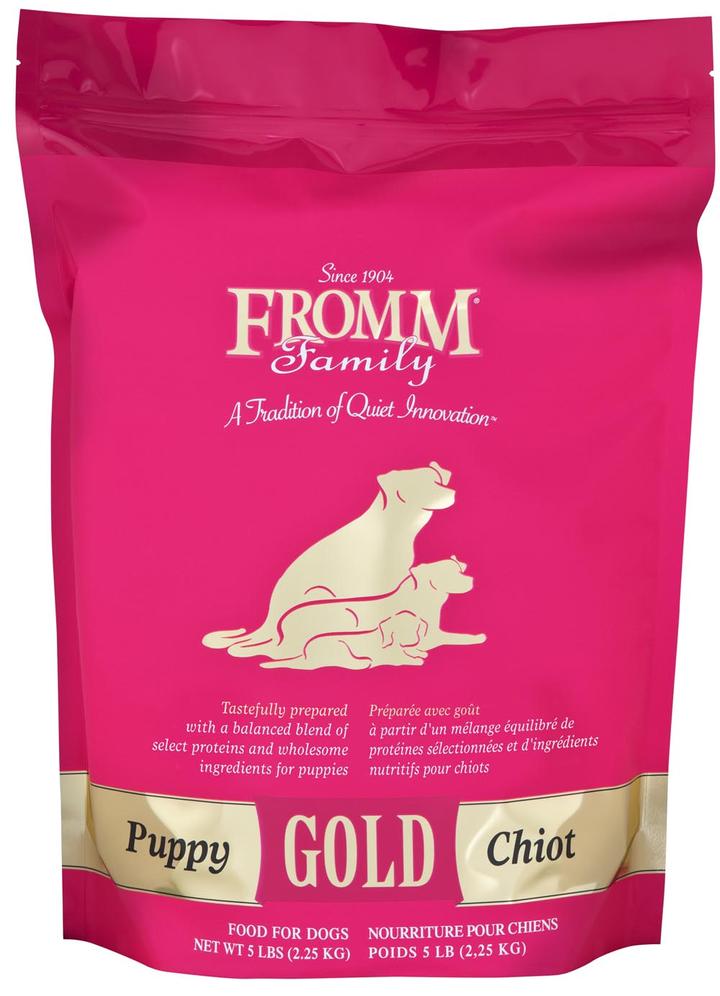
Puppies eat up to 3 times per day. To ensure a smooth transition & less upset tummies, keep some of the food they are used to eating and stick with the same type of protein. A probiotic and, if needed, pumpkin, will smooth out any digestive woes, improve their gut health, and strengthen their immune system.
Here’s how the transition should go:
Days 1-2—75% old/25% new
Days 3-5—50 old/50 new
Days 5-7—25% old/75% new
Days 7-10—only continue to transition if the transition has been difficult.
Our Picks for This Step:

Build the Right Diet
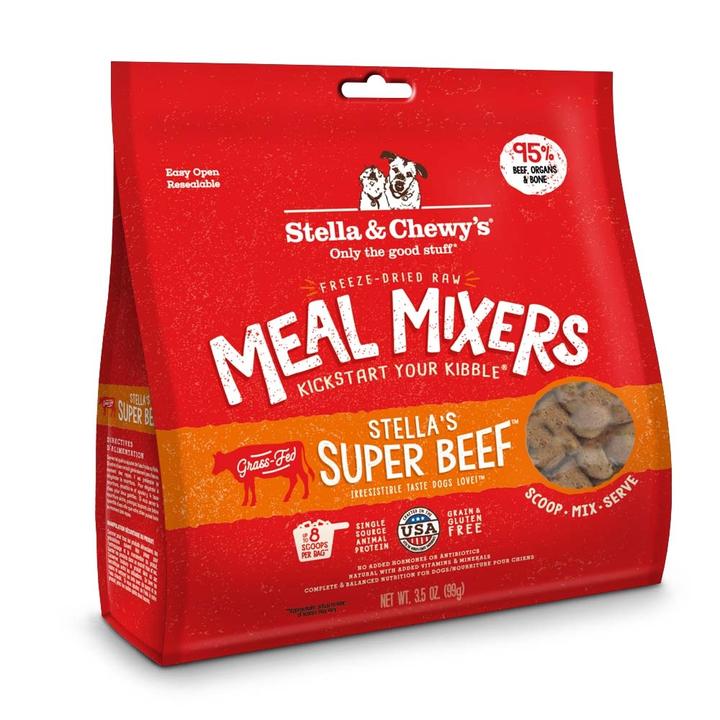
When it is time to transition your puppy's diet, try all-natural foods, raw food, or freeze-dried foods. It’s what puppy stomachs were made to digest, and it’s the best source of nutrients due to being the least processed. Adding toppers or hydrators like bone broth keeps meals exciting and nutritious.. And always pay attention to the feeding guidelines on all products.
Our Picks for This Step:
Teach Them Table Manners
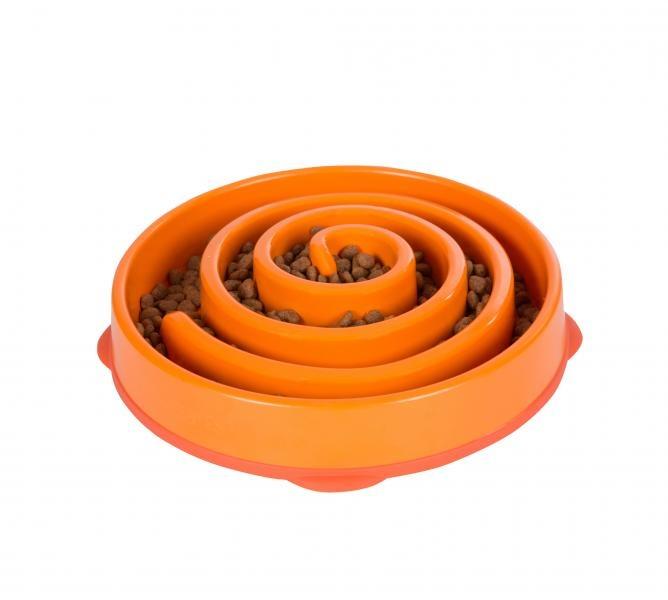
Creating a safe space for mealtime is essential. Using a placemat keeps their bowls from sliding, and an elevated stand cuts down on splashes in their water dish. Keep this space away from the main traffic areas in your home, as noise and commotion can bring out food defensiveness.
Our Picks for This Step:
Feeding a Large Breed?
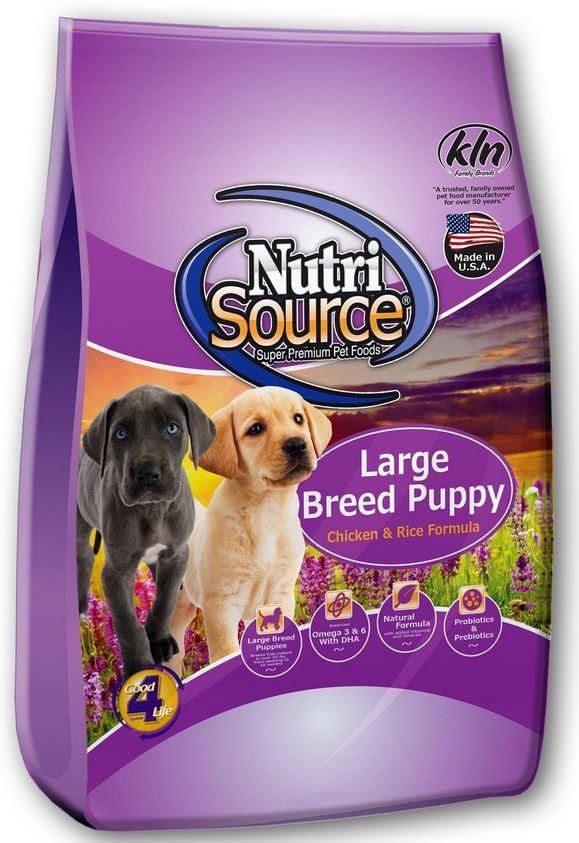
Large-breed puppies grow quickly, so they will need a special diet to help prevent orthopedic disease. Special formulas keep growth balanced for puppies to grow into healthy adult dogs.
Our Pics for This Step:


Brush More Than Just Their Fur
Start grooming early with the right brush for their hair type and nail trimmers. Don’t forget a toothbrush and toothpaste specifically designed for puppies, as poor dental health can lead to serious issues over time. If time is an issue, local groomers can handle everything from bath time to teeth cleaning.
Our Picks for This Step:
Work on Good Behavior
Start puppy training sessions and reward progress with positive reinforcement. Training treats, toys, and chews encourage positive behavior while discouraging teething on furniture. Puppy classes and a dog trainer can also help with basic commands and socialization.
Take Them on the Go
Puppies can’t be left alone for long. Travel crates, bags, and baby gates are a few ways to keep them safe. Seasonal gear, such as paw booties or cooling mats, can make playtime and travel safe year-round, and don’t forget the adorable puppy sweaters.
Our Picks for This Step:
All Grown Up
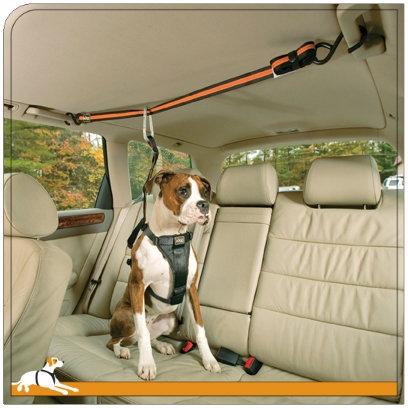
At about 12 months old, your baby becomes an adult dog. It’s time to transition off the puppy food and update to adult dog collars, harnesses, and chews. They will still need plenty of play sessions and positive reinforcement for good behavior, but tailored to their new age. Wow, they really do grow up so fast.
Extra Puppy Care Tips for New Owners
-
Start socializing early to build confidence
-
Create a potty spot outdoors and stick to a routine
-
Give your puppy alone time gradually to prevent separation anxiety
-
Use baby gates to keep them safe in their new home
-
Consistent training creates great family dogs
Bringing home a new family member is a big responsibility, but with the right preparation, you will set your new puppy up for a lifetime of health, happiness, and lots of snuggles.